International customers please email customer service team with any questions.
You are here: Home » Products » Robot Welding Machine » Six-Axis Collaborative Robot (Cobot) for Safe, Intelligent Automation mig welding

loading

Share to:
facebook sharing button
twitter sharing button
line sharing button
wechat sharing button
linkedin sharing button
pinterest sharing button
sharethis sharing button

Six-Axis Collaborative Robot (Cobot) for Safe, Intelligent Automation mig welding

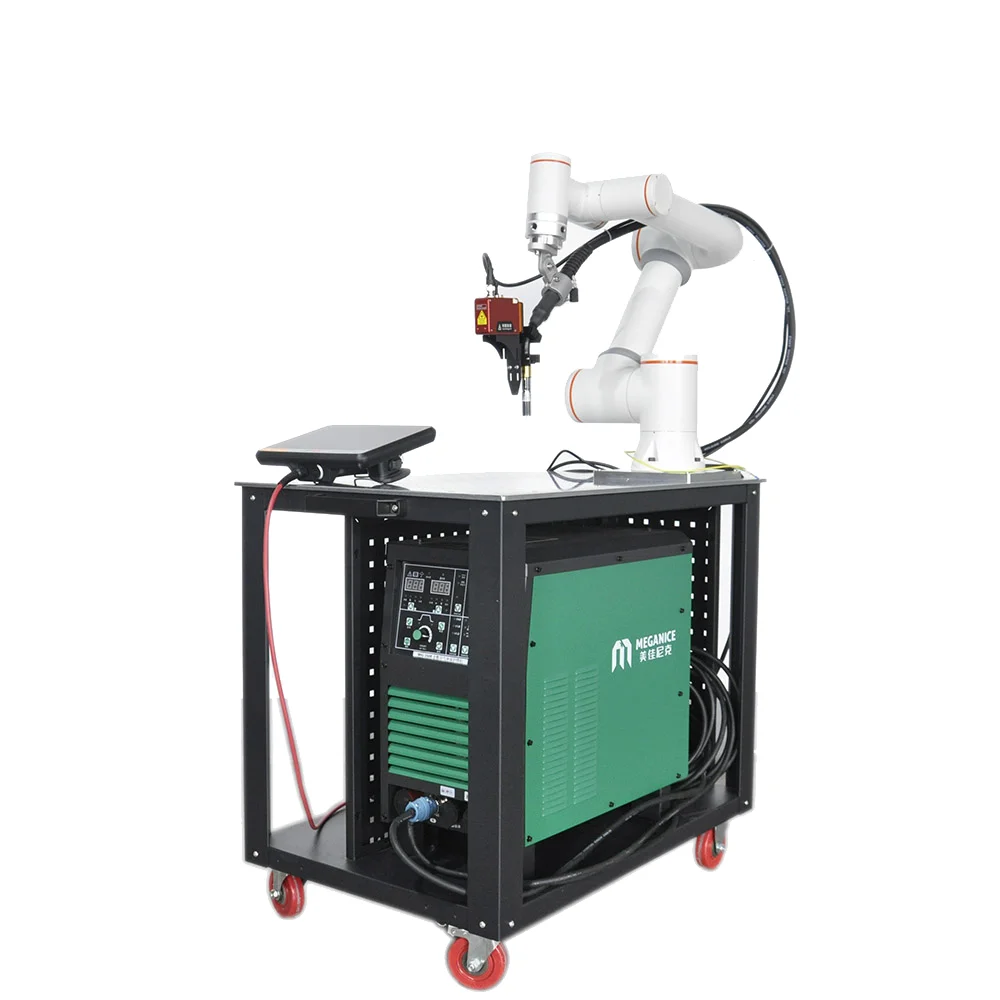
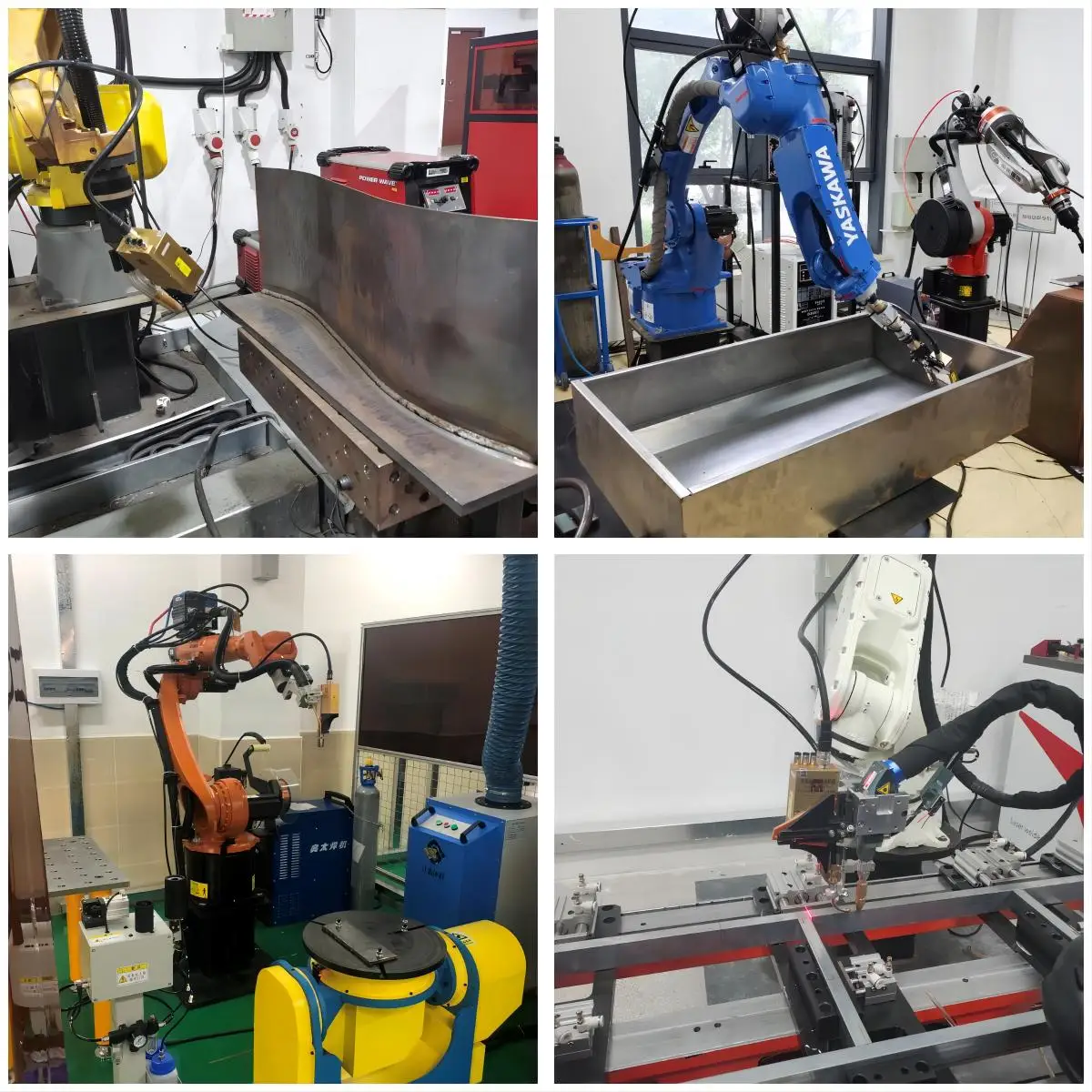
Meet our Collaborative Welding Robot, a safe, intelligent, and adaptable solution designed to bring automated welding capabilities to shop floors of any size. This cobot welding system pairs advanced robotic arms with user-friendly programming, real-time safety features, and seamless integration with existing welding equipment and workflows. Whether you’re welding automotive frames, metal fabrication components, or structural assemblies, this compact, collaborative solution delivers consistent weld quality, fast ROI, and scalable automation.

Key Features

  • Safe Human-Robot Collaboration

    • Integrated safety features (power and force limiting, collaborative mode, cell fencing, and emergency stop) enable close-proximity operation with human workers.
    • Quick-change safeguards and intuitive teach pendant allow operators to interact with the robot without extensive programming.
  • Advanced Welding Capabilities

    • Supports MIG/MAG, TIG, and spot welding with precise torch control, seam tracking, and arc monitoring.
    • High repeatability ensures consistent weld quality across shifts and parts.
  • Easy Programming and Quick Setup

    • User-friendly interface with offline and online programming, virtual simulation, and path optimization.
    • Teach-in mode and offline programming reduce programming time and enable rapid deployment.
  • Flexible and Compact Form Factor

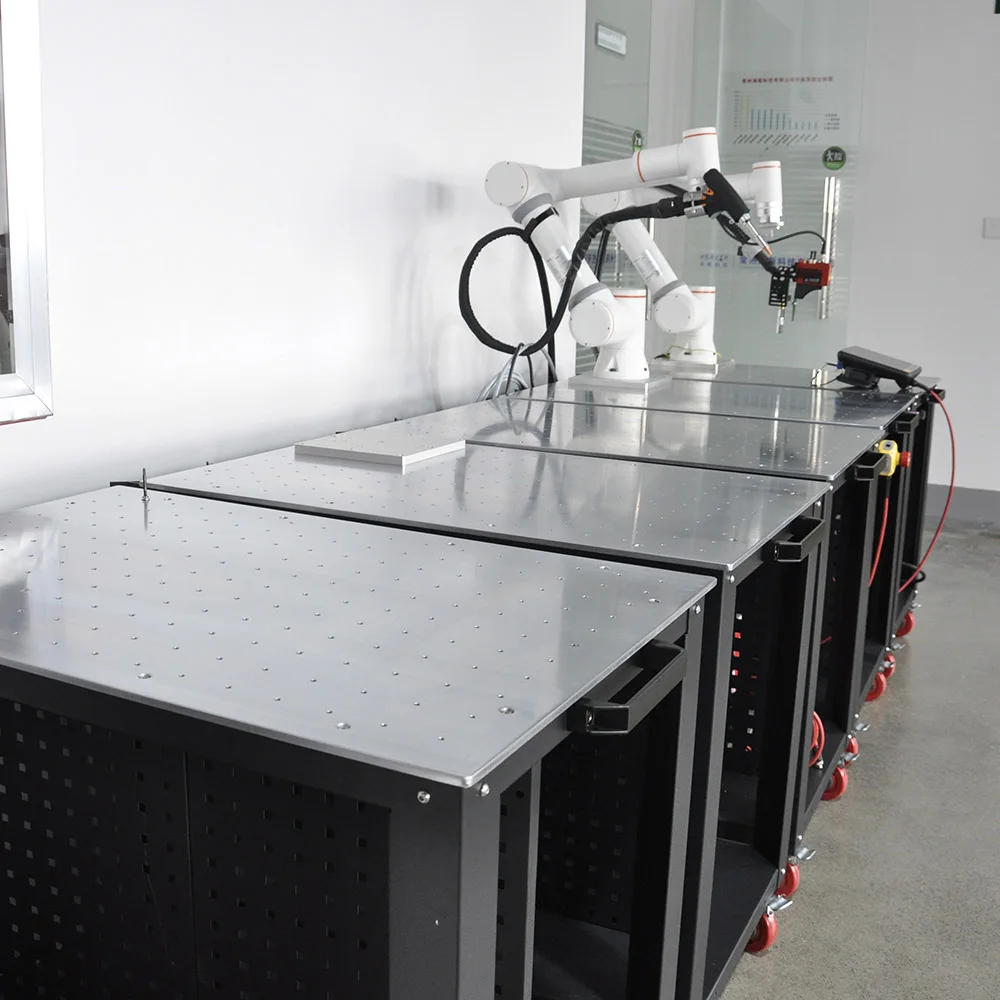
    • Compact footprint suitable for crowded or small‑scale cells; portable enough to reconfigure as production needs evolve.
    • Lightweight, modular grippers and fixtures accommodate a range of part geometries and sizes.
  • Robust Motion and Precision

    • High-precision servo drives, rigid mounting, and advanced path planning achieve repeatable welds with tight tolerances.
    • Real-time monitoring of torch position, voltage, current, and arc quality for immediate quality control feedback.
  • Quality Assurance and Traceability

    • Integrated data logging for each weld (parameters, time, operator ID, part ID) to support traceability and continuous improvement.
    • In-process inspection options (vision or sensor-based) to catch defects early.
  • Safe and Efficient Cell Automation

    • Safe operation protocols reduce manual handling and rework, improving worker safety and production efficiency.
    • Seamless integration with existing robots, conveyors, and weld fixtures for a cohesive automation cell.
  • Reliability and Maintenance

    • Sealed components, easy access panels, and modular wear parts minimize downtime and simplify maintenance.
    • Predictive maintenance capabilities help anticipate part wear before failures occur.
  • ROI and Cost Reduction

    • Labor cost savings, reduced cycle times, and improved weld consistency contribute to a favorable total cost of ownership.
    • Scalable deployment options—from single-robot cells to multi-robot production lines.
Availability:
Quantity:
  • FR5

  • FR

  • 100*50*50mm29kg

Product Description
Product  Features
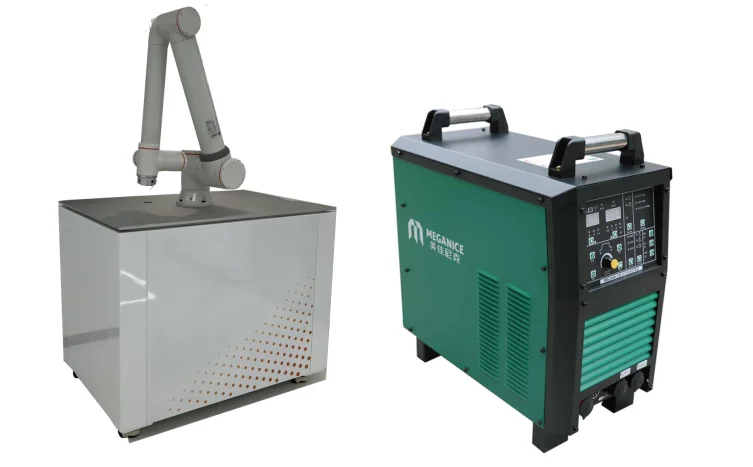
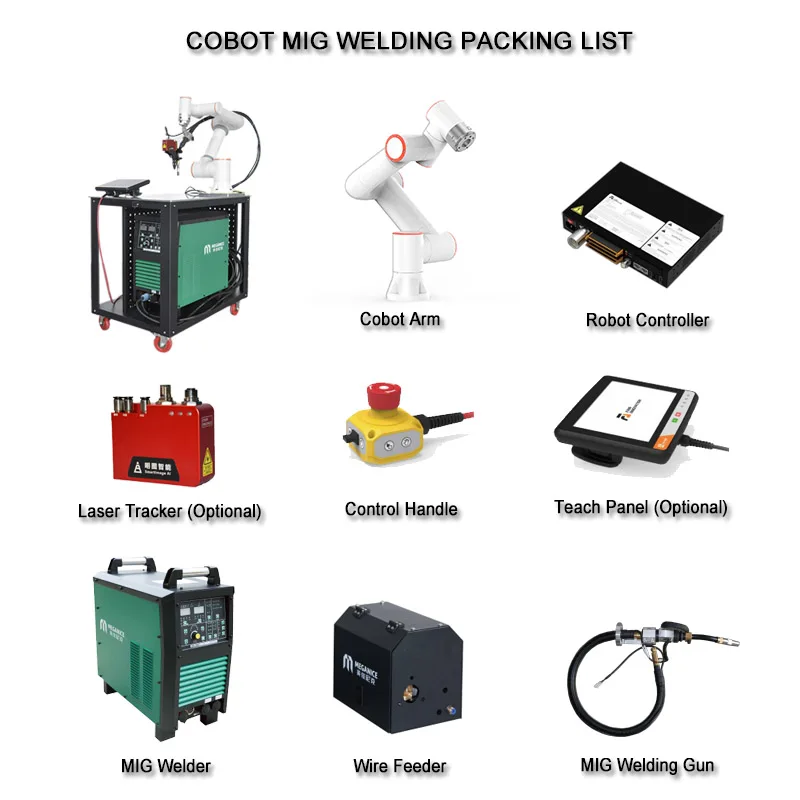
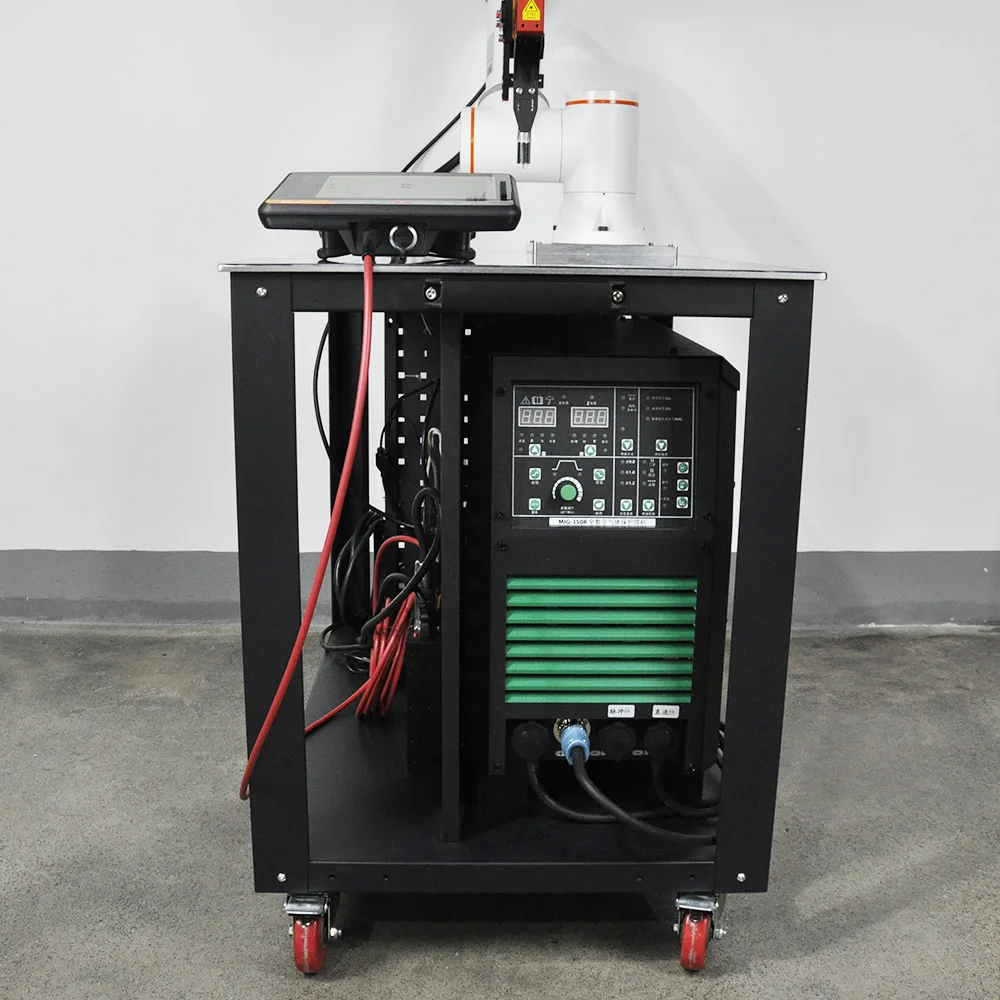
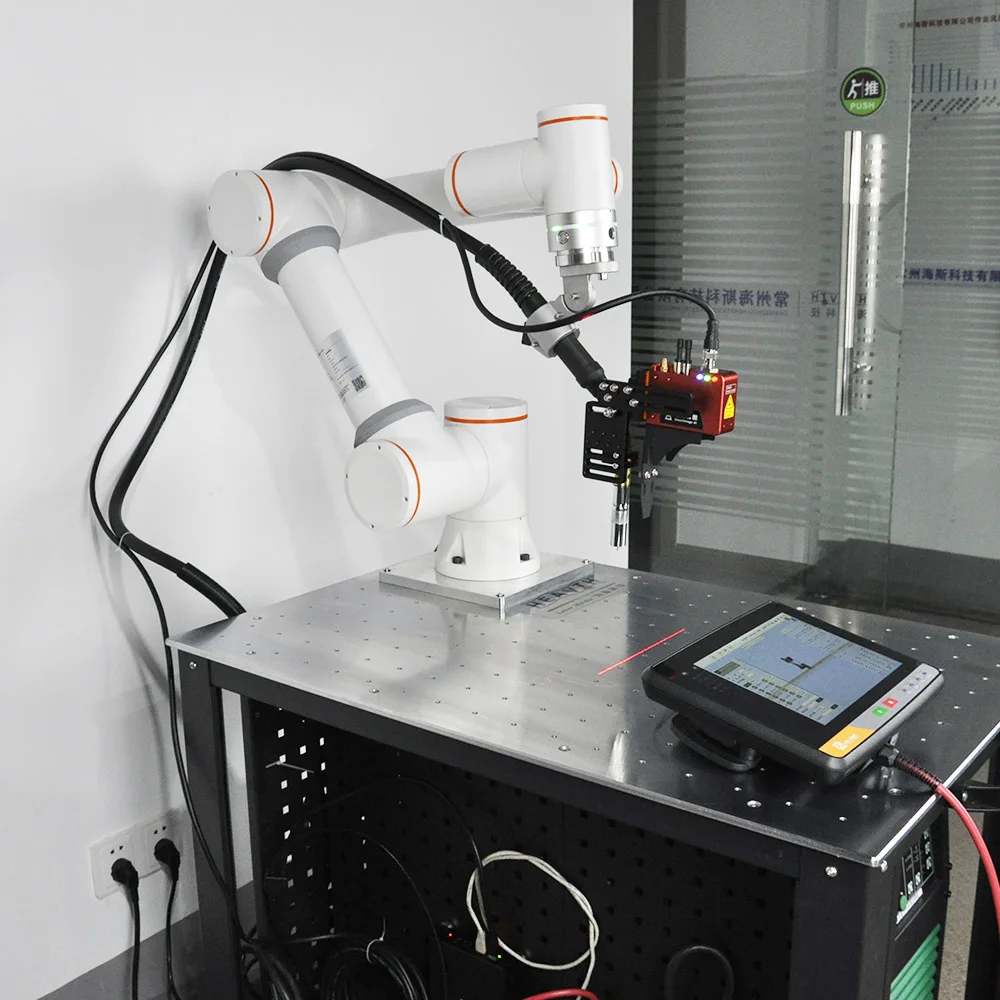
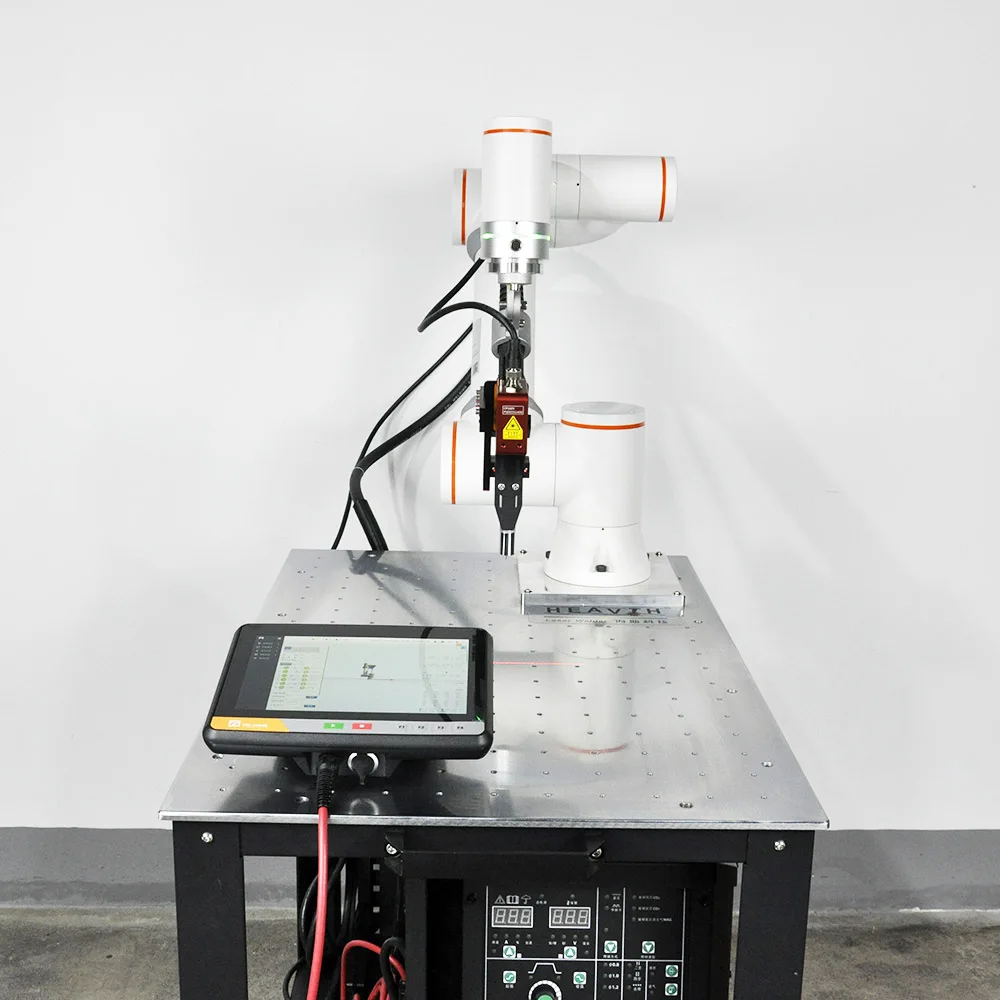
Cobot MIG Welding Kit
6 six Collaborative robots mig welding  will extend your time and space, liberate complex and inefficient repetition, and let you embrace a wider horizon.In the future, You will see FAIR EVERYWHERE.
With its emergence, it not only improves the effciency of human-machine collaboration, but also speeds up the automation process for more enterprises and frees floor space and lowers the cost of implementing robots for manufacturers.
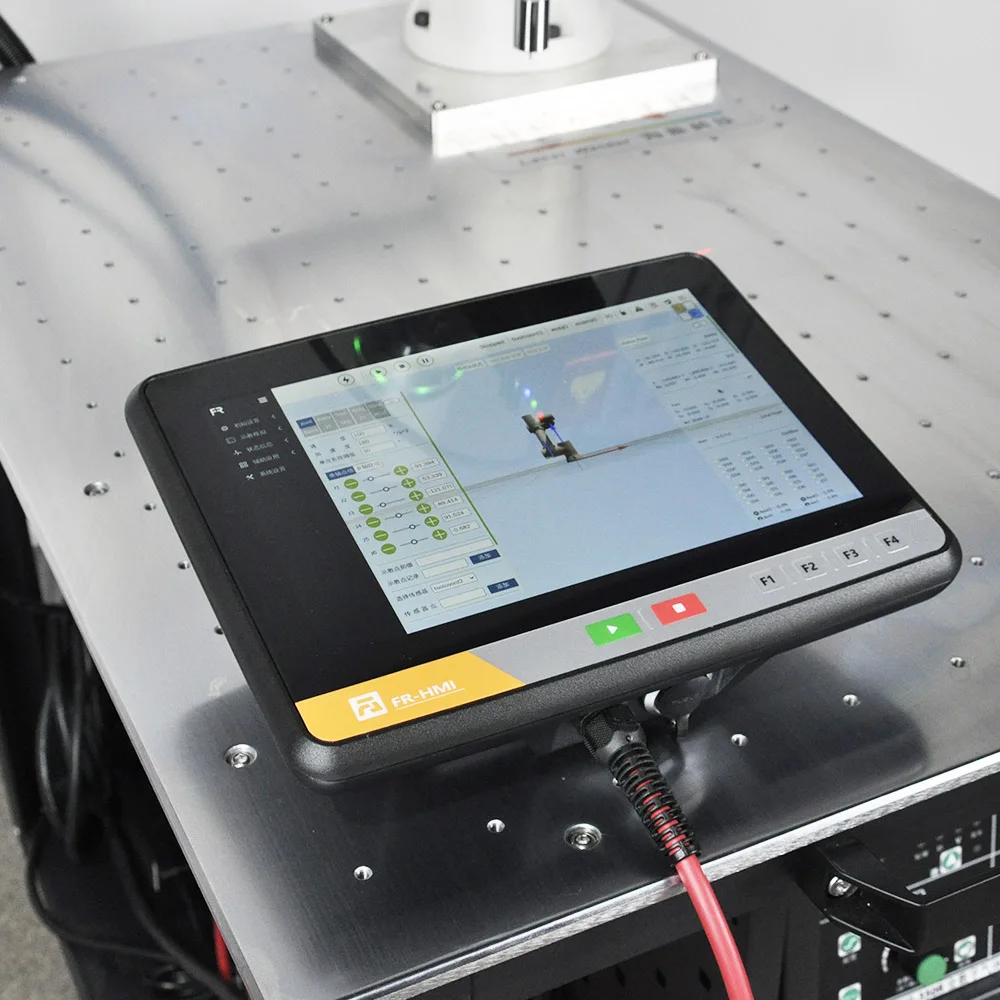
                  Teach device (optional)                                                                     Cobot panel (optional)                                                                                                            
Product parameters
Cobot parameters
According to dfferent payload and range, FAIR collaborative robot product line has five models: FR3, FR5,FR10,FR16&FR20.
The products are certified with CE, CR and ISO9001 quality management system, every robot joint has dual encoders so that can achieve higher precision. The open operating platform also lowers the barrier to use it in dfferent scenarios.
Model
FR3 /FR5
FR10
Movement
Range
Max. speed
Range
Max. speed
J1
±175°
163°/s
±175°
163°/s
J2
-95°/+70°
148°/s
-95°/+70°
148°/s
J3
-85°/+75°
223°/S
-85°/+75°
223°/S
J4
±180°
250°/s
±180°
250°/s
J5
±115°
270°/s
±115°
270°/s
J6
±360°
337°/s
±360°
337°/s
Model FR3/FR5/FR10
Model
FR3
FR5
FR10
Payload
3KG
5KG
10KG
Reach
622mm
922mm
1400mm
Range
6
6
6
HMI
10.1 inch teach pendant or mobile terminal APP
Repeatability
±0.02mm
±0.02mm
±0.05mm
Typical TCP speed
1m/s
1m/s
1.5m/s
IP classification
IP54 (Optional IP66)
Noise
<65db
Robot mounting
Any orientation
I/O
Digital Input (DI) 2, Digital Output (DI) 2, Analog Input (AI) 1, Analog Output (AO) 1
Power supply
24V/1.5A
Communication
I/O, TCP/IP, Modbus_TCP/RTU, Profinet
Development environment
C#/C++/Python/Java/ROS
Footprint
130mm
150mm
190mm
Weight
About 15KGS
About 22KGS
About 40KGS
Operating temperature
0-45℃
Operating humidity
90%RH (non-condensing)
Machine material
Aluminium, Steel
MIG Welding Machine
Model
Mig 350R
Mig 500R
Voltage (V)
3Phase AC380V±10%
Phase AC380V±10%
Power frequency(HZ)
 50HZ
50HZ
Rated maximum input current(A)
21.5
44.6
no-load voltage(V)
62
70
Output current(A)
40-350
40-500
Output Voltage Regulation(V)
16-29
16-39
Duty cycle
60%
60%
Wire diameter(mm)
0.8/1.0/1.2
0.8/1.0/1.2/1.6
Insulation class 
F
F
Enclosure rating
IP21S
IP21S
Weight(KG)
33.5
42.6
Size(mm)
550*310*600
550*310*600
Configuration
SAFTY BOX
CONTROL BOX
TEACH PENDANT (OPTIONAL)
Basic Size/Scope of Acitvities
Laser tracking
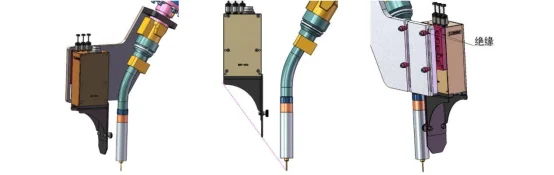
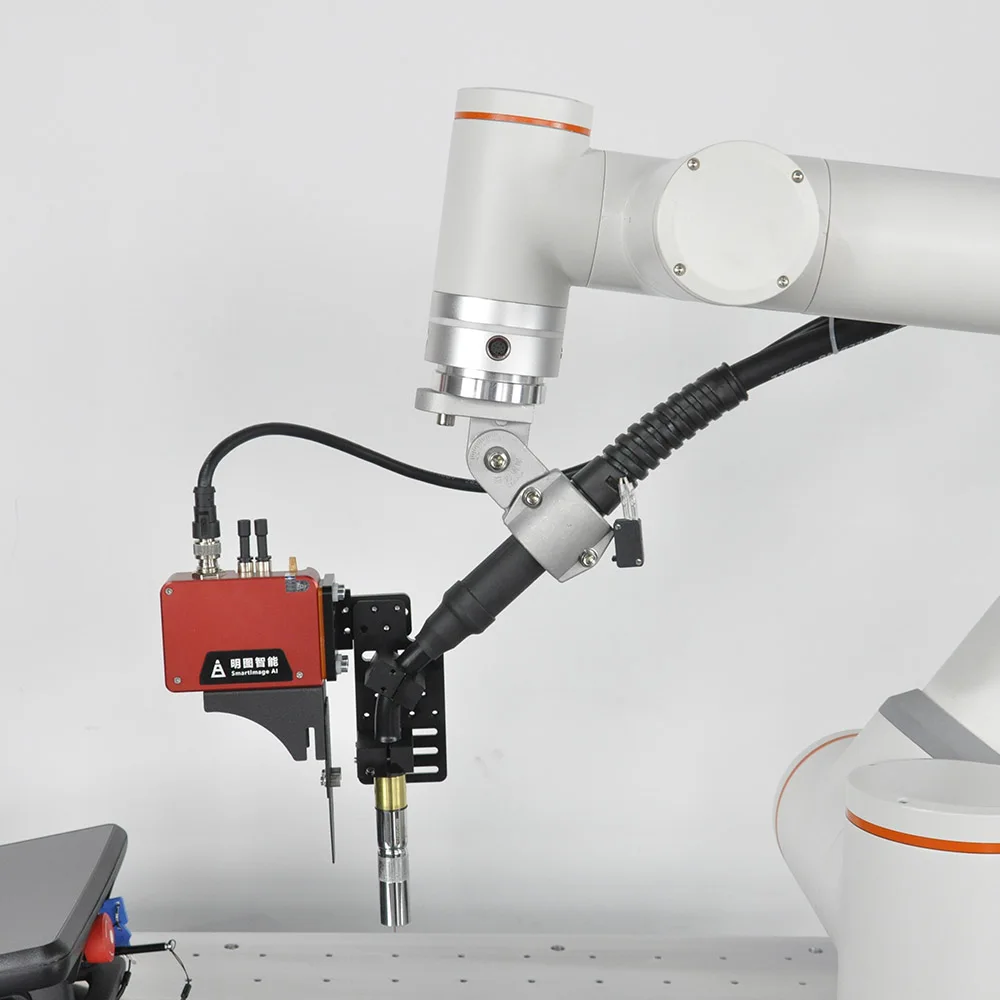
Intelligent welding seam identification and tracking sensor is a laser detection and tracking welding seam sensor, with the advantages of small size, easy installation and maintenance, and can identify various welding seams.
Working principle
The light path at the bottom of the sensor must not be blocked, otherwise it will affect the laser emission and signal recovery and reduce the accuracy. Figure 11 shows the space required for the sensor to work normally.

The visual range, laser width and accuracy of each sensor are different, you can select the appropriate sensor according to the requirements according to the following table.

Collaboration Cobot MIG Welding: Features, Applications, and Pricing You Need to Know


Meta Description: Discover how collaboration cobots (cobots) for MIG welding can boost productivity, safety, and ROI. Explore key features, typical price ranges, and buying considerations for modern welding automation.


Introduction

Collaborative robots (cobots) are increasingly used to enhance MIG welding processes in automotive, metal fabrication, and consumer electronics industries. By pairing human expertise with intelligent automation, collaboration cobots deliver consistent weld quality, improved safety, and faster ROI. In this article, we break down what a collaboration cobot for MIG welding is, the typical price ranges, factors that influence cost, and how to choose the right solution for your shop floor.


What is a Collaboration Cobot for MIG Welding?


Definition: A collaboration cobot is a collaborative robot designed to work alongside humans in shared workspaces. In MIG welding applications, cobots handle repetitive or high-precision welds, while human welders focus on setup, inspection, and complex tasks.

Core capabilities: Robotic arm with MIG welding torch integration, advanced safety features (PF readings like force/torque limits, emergency stop, safety-rated monitored live time), offline/online programming, path optimization, real-time monitoring of arc quality, and easy reprogramming for different parts.

Benefits in MIG welding: Consistent welds, reduced cycle times, lower weld fatigue for workers, improved safety in hazardous environments, and scalable automation as demand grows.

Pricing Landscape: What You Should Expect

Note: Actual prices vary by region, brand, payload, reach, power requirements, and included safety and software features. The ranges below are indicative for new systems and may differ for used or refurbished units.


Entry-level MIG welding cobots (compact payload, limited reach): $5,000 – $10,000 per cell

Includes cobot arm, MIG welding torch interface, basic safety enclosure, and entry-level programming software.

Mid-range MIG welding cobots (higher payload, longer reach, enhanced safety): $60,000 – $120,000 per cell

Often includes improved end-effectors, UI, offline programming, and integration with wire feeders and power sources.

High-end / multi-robot cells or specialized configurations: $120,000 – $300,000+ per cell

Includes advanced safety systems, vision guidance, dual-robot coordination, sophisticated path planning, and comprehensive integration with existing welding equipment.

Total cost of ownership considerations:

Software and updates: licensing for path optimization, simulation, and connectivity

Safety equipment: fencing, curtains, sensors, and risk assessment

Install, integration, and commissioning: pay attention to onboarding and training

Spare parts and maintenance: expected wear parts for the torch, grippers, and cables

Operating costs: electricity, shielding gas, consumables, and shield gas efficiency

Key cost-influencing factors


Payload, reach, and repeatability: Higher specs generally cost more but deliver more versatility

Safety features and compliance: Additional sensors, vision systems, and certifications add to price

Integration complexity: Custom fixtures, PLC integration, MES/ERP connectivity, and camera/vision systems

Software depth: Offline programming, simulation, collision detection, and predictive maintenance

Service and support: Onsite installation, training, and long-term support plans

Selecting the Right MIG Welding Cobot: Quick Guide


Define your application: Part size, welding position, material types, and required weld quality

Assess throughput goals: Target cycle times and how many shifts or parts per day

Consider space constraints: Cell footprint, ceiling height, and safety zoning

Prioritize safety compliance: Ensure the cobot solution meets local safety standards and can be integrated with required guarding

Plan for integration: Wire feeders, power sources, and fume extraction as part of a single automation ecosystem

Calculate ROI: Compare labor savings, quality improvements, downtime reductions, and maintenance costs over a defined horizon


Product Details
After-sales Service


Previous: 
Next: 
Consult Your HEAVTH CNC Machine Experts
We help you avoid the pitfalls to deliver the quality and value your CNC cutting and welding need, on-time and on-budget.
We provide product size, electrical performance, appearance design, operation interface and other aspects to customize the equipment.

WHAT WE CAN OFFER

WHAT WE DO

OUR TECHNOLOGY

SERVICE

© COPYRIGHT 2024 CHANGZHOU HEAVTH SCIENCE& TECHNOGY CO.,LTD. ALL RIGHTS RESERVED.