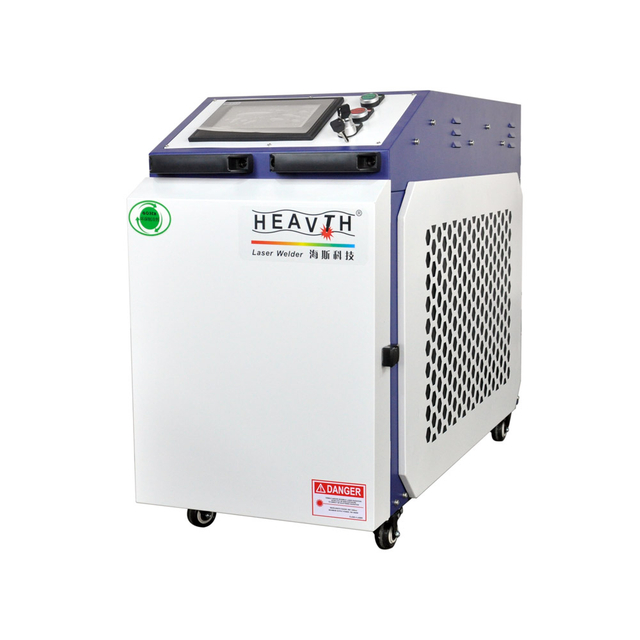
The Advantages of the Laser Welding Machine
In the evolving landscape of manufacturing and fabrication, precision, efficiency, and reliability are non-negotiable. As industries strive to elevate product quality while optimizing production workflows, laser welding machines have emerged as a transformative technology, outperforming traditional welding methods in numerous aspects. Whether for automotive, aerospace, electronics, or medical device manufacturing, the laser welding machine offers a suite of advantages that make it an indispensable tool for modern production lines. Below, we delve into the key benefits that set laser welding machines apart.
1. Unmatched Precision and Weld Quality
One of the most significant advantages of laser welding machines is their exceptional precision. Laser beams are highly focused, with a narrow heat-affected zone (HAZ) that minimizes thermal distortion and damage to the surrounding material. This precision is particularly critical for welding thin materials, intricate components, or parts with tight tolerances—applications where traditional welding methods (such as arc welding) often struggle with overheating or imprecise joints.
Laser welding produces clean, uniform welds with minimal spatter and porosity, eliminating the need for extensive post-weld finishing. The high energy density of the laser beam ensures deep penetration with minimal material fusion, resulting in strong, durable joints that meet the strictest quality standards. For industries like electronics and medical devices, where component miniaturization and reliability are paramount, this level of precision is irreplaceable.
2. High Efficiency and Productivity
Laser welding machines operate at significantly higher speeds compared to traditional welding techniques. The concentrated laser beam delivers rapid heat input, reducing welding cycle times and increasing throughput. Unlike arc welding, which requires slower travel speeds to ensure proper fusion, laser welding can complete complex welds in a fraction of the time, making it ideal for high-volume production runs.
Additionally, laser welding is a non-contact process, eliminating physical wear on electrodes or other consumables. This reduces downtime associated with tool replacement and maintenance, further boosting overall productivity. Automated laser welding systems can be integrated with robotics and CNC controls, enabling 24/7 operation with consistent results— a game-changer for industries looking to scale production without compromising quality.
3. Versatility Across Materials and Applications
Laser welding machines exhibit remarkable versatility, capable of welding a wide range of materials, including metals (steel, aluminum, copper, titanium), alloys, and even some non-metallic materials. They handle both similar and dissimilar material combinations with ease, opening up new possibilities for product design and innovation. For example, in the automotive industry, laser welding is used to join lightweight aluminum components for fuel efficiency, while in aerospace, it welds high-strength titanium parts for aircraft structures.
This versatility extends to various joint configurations, such as butt joints, lap joints, and fillet joints, as well as applications of different scales—from micro-welding tiny electronic components to macro-welding large industrial structures. Whether for delicate medical implants or heavy-duty machinery parts, laser welding adapts to diverse production needs.
4. Cost-Effectiveness in the Long Run
While the initial investment in a laser welding machine may be higher than traditional welding equipment, the long-term cost savings are substantial. Reduced post-weld finishing (e.g., grinding, cleaning) cuts labor and material costs, as laser welds require minimal touch-ups. Lower maintenance costs, due to the non-contact nature of the process and fewer consumables, further contribute to cost efficiency.
Moreover, the high precision and consistency of laser welding reduce material waste, as there is less scrap from faulty welds or distorted parts. For high-volume production, these savings accumulate quickly, making laser welding a cost-effective solution that delivers a strong return on investment (ROI) over time.
5. Enhanced Safety and Environmental Friendliness
Laser welding machines offer improved safety compared to traditional welding methods. The non-contact process eliminates the risk of electrode burns or electrical hazards, and modern systems are equipped with safety features such as laser shields, interlocks, and beam shut-off mechanisms to protect operators.
From an environmental perspective, laser welding produces minimal waste, fumes, and noise. Unlike arc welding, which generates significant spatter and toxic fumes, laser welding’s clean process reduces the need for expensive ventilation systems and waste disposal. This aligns with global sustainability goals and helps manufacturers meet environmental regulations.
6. Consistent and Repeatable Results
In manufacturing, consistency is key to maintaining product quality and brand reputation. Laser welding machines deliver highly repeatable results, as the laser beam parameters (power, speed, focus) can be precisely controlled and programmed. Automated laser welding systems ensure that every weld is identical to the last, eliminating human error and variability.
This consistency is particularly valuable for industries with strict quality control requirements, such as medical devices and aerospace. Manufacturers can rely on laser welding to produce components that meet regulatory standards and perform reliably in critical applications.
Conclusion
The laser welding machine’s combination of precision, efficiency, versatility, and cost-effectiveness makes it a superior choice for modern manufacturing. As industries continue to evolve and demand higher quality and productivity, laser welding technology will play an increasingly vital role in driving innovation and competitiveness. Whether you’re a small workshop or a large-scale production facility, investing in a laser welding machine can elevate your operations and position your business for long-term success.
For more insights into industrial welding solutions and how laser technology can transform your production line, visit www.heavth.com to explore our range of laser welding machines and expert services.
 简体中文
简体中文 English
 العربية
 Français
 Русский
 Español
 Português
 Deutsch
 italiano
 日本語
日本語 한국어
한국어 Nederlands
 Tiếng Việt
 ไทย
ไทย Polski
 Türkçe
 ພາສາລາວ
 ភាសាខ្មែរ
 Bahasa Melayu
 ဗမာစာ
ဗမာစာ Filipino
 Bahasa Indonesia
 magyar
 Română
 Čeština
 Монгол
 қазақ
қазақ Српски
 हिन्दी
 فارسی
فارسی Kiswahili
 Slovenčina
 Slovenščina
 Norsk
Norsk Svenska
 українська
 Ελληνικά
 Suomi
Suomi Հայերեն
 Latine
 Dansk
Dansk Shqip
Shqip বাংলা
বাংলা Hrvatski
 Afrikaans
 Gaeilge
 Eesti keel
 Oʻzbekcha
 latviešu
 Aymara
 Azərbaycan dili
 Беларуская мова